Elise's work has been broadcast by Al Jazeera, Agence France Presse, the Australian Broadcasting Corporation, Deutsche Welle, Public Radio International, Kantor Berita Radio's Asia Calling program, Fairfax Digital, and published inThe Diplomat, New Matilda andThe Sydney Morning Herald.
She spent 5 years freelancing in China, and has also reported from Cambodia, Laos, Myanmar, Japan and Hong Kong.
Elise was a finalist in the 2012 Walkley Best Freelance Journalist of the Year award. She was
co-winner of the 2008/9 Asia-Pacific Forum of Environmental Journalist's environmental
journalism award.
© 2026 Elise Potaka
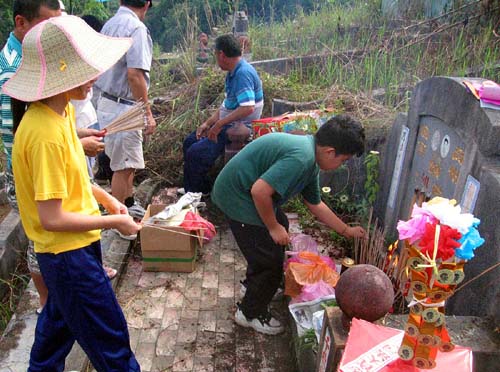
China’s dead must clear the ground for the living
But with 8.5 million people dying each year, the government is now promoting cremation and even online memorials that don’t involve a physical gravesite. The aim is to preserve precious land and resources, but not everyone’s willing to make the change.
Chinese development on the Mekong
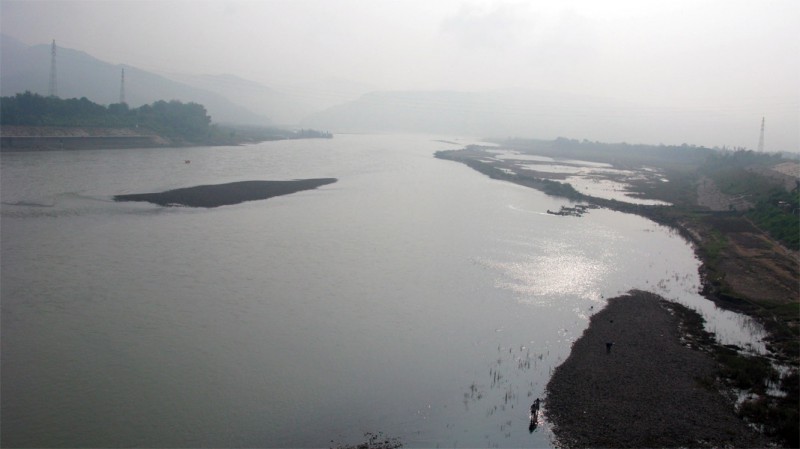
For as long as anyone can remember, the water levels of the Mekong River have gone up and down according to the forces of nature. But now, locals on the river say, things are changing. Last August, a massive flood unexpectedly ravaged downstream communities. While river authorities blamed it on heavy rains, many locals point the finger at China.
They say Chinese developments on the upper Mekong are changing the shape and flow of the river and endangering the livelihoods of other river users.
Turnaround in Shanxi
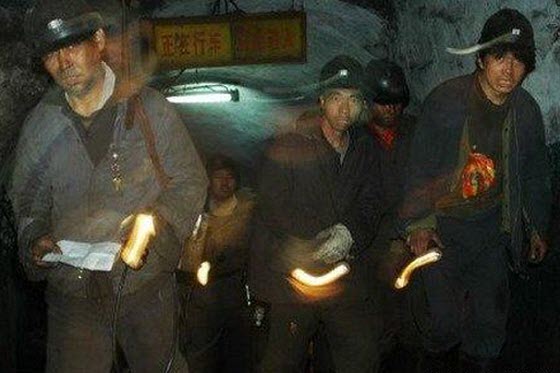
It’s the changing of the work shift at China’s giant coal mine in Shanxi Province. Miners emerge from deep underground, their faces and clothes black with coal dust. The province contains a third of China’s coal reserves. Back in the 1980s, Shanxi became the nation’s energy powerhouse – driving China’s phenomenal growth but polluting the region’s air, water, and soil and poisoning the lungs of miners and residents.
Now the local government is trying hard to get Shanxi off the country’s environmental blacklist